Species · Sea · Pleuronectes platessa
Plaice
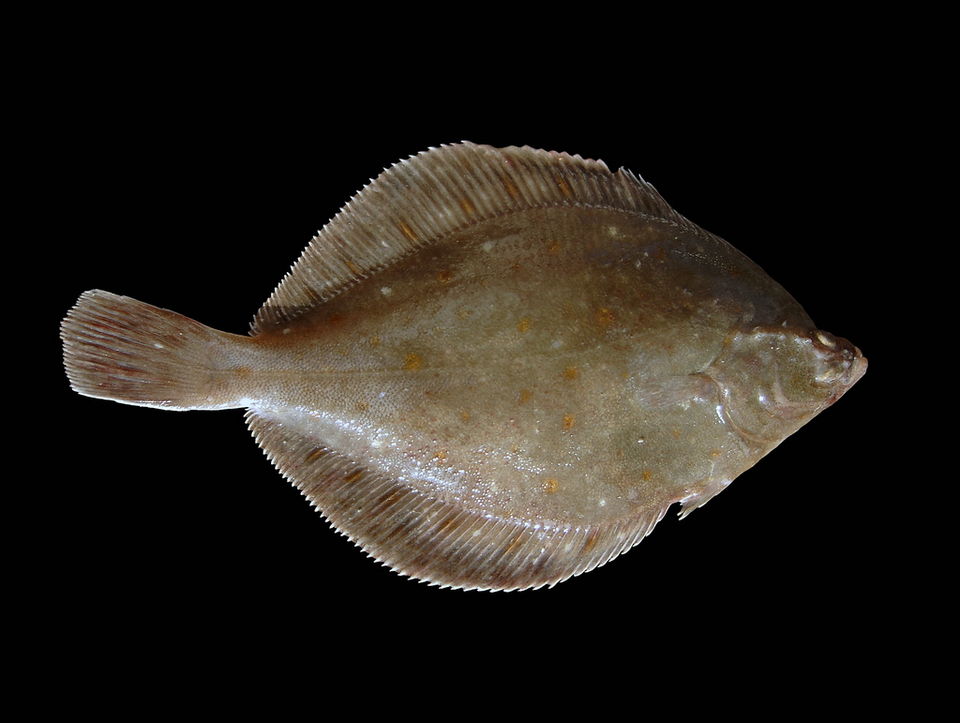
The most beautiful of all British flatfish with its distinctive orange spots. Plaice are spring specialists, moving inshore from March to feed on sandbanks and shallow bays during daytime spring tides.
Where and when
| Detail | |
|---|---|
| Habitat | Sandy seabeds, sandbanks, shallow bays, estuaries |
| Best time | Daytime |
| Category | Specimen |
Baits and tactics
- Tactics: Running leger, Boat fishing, Drift fishing
- Baits and flies: Ragworm, Lugworm, Razorfish, Peeler Crab
Tackle that suits
| Detail | |
|---|---|
| Hooks | 1-1/0. Aberdeen or wide gape. Long flowing trace with attractor beads and sequins |
| Mainline | 0.28-0.35mm. 12-18lb. Mono for shore, braid for boat drifting |
| Hooklength | 0.25-0.30mm. 3-4ft. Long flowing trace - plaice like movement in the bait |
| Shotting | Running leger with 2-3oz bomb lead. Light enough to trundle along the seabed. |
| Field notes | Long flowing traces of 3-4ft give the bait natural movement that plaice love; Coloured beads and sequins above the hook act as visual attractors; Spring tides bring plaice inshore - fish the flooding tide for best results; Daytime fishing is best - plaice are visual feeders that hunt by sight; Tipping ragworm with a strip of squid makes a deadly cocktail bait; Move the bait regularly - a slow retrieve along the seabed triggers chasing bites |
More sea species
Free tier, no card. Pro is £14.99 a year after a 7-day trial.