Species · Sea · Raja clavata
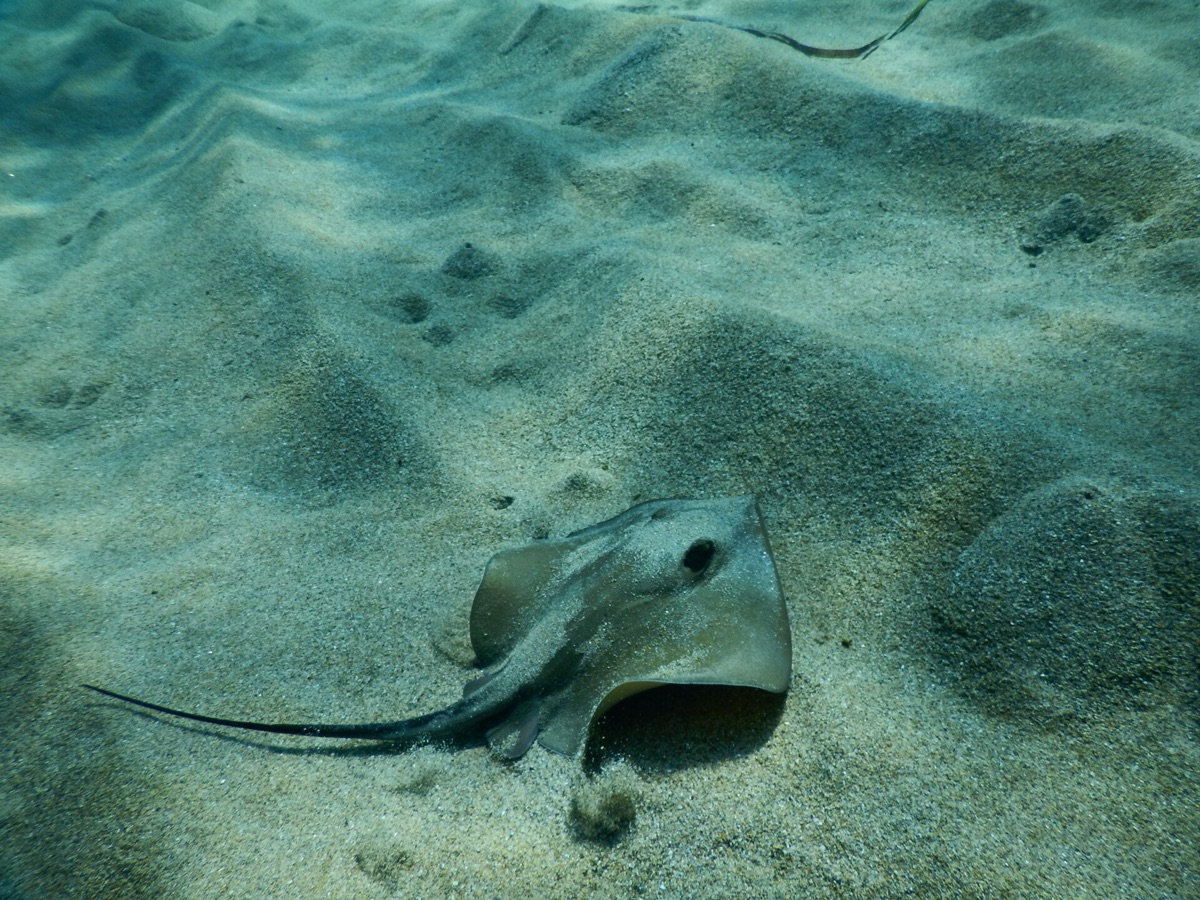
Thornback Ray
The most common ray around the UK coast - a cartilaginous fish, related to the sharks rather than the flatfish. Thornbacks move inshore from spring and feed hard on crab and fish baits through the summer, with fish over 20lb taken from the shore. Mind the tail spines.
Where and when
| Detail | |
|---|---|
| Habitat | Sandy and muddy ground, estuaries, shallow inshore marks |
| Best time | Evening/Night |
| Category | Specimen |
Baits and tactics
- Tactics: Beach casting, Leger, Running leger
- Baits and flies: Peeler Crab, Mackerel, Squid, Sandeel
Tackle that suits
| Detail | |
|---|---|
| Hooks | 2/0-4/0. Strong forged. Strong specimen hooks |
| Mainline | 0.30-0.35mm. 15-20lb. Heavy mono for distance casting |
| Hooklength | 0.30-0.35mm. 12-18". Heavy mono traces |
| Shotting | 4-6oz grip leads on open beaches. Running leads in calmer estuaries. |
| Field notes | Rays feed on the flood tide - fish the incoming tide; Peeler crab and mackerel strips are the main baits; They are bottom feeders - keep the bait close to the seabed; Summer and autumn are prime - rays feed hard in warm water; Expect a strong, steady fight - rays run hard; Use strong tackle - big rays are powerful for their size |
More sea species
Free tier, no card. Pro is £14.99 a year after a 7-day trial.